
Service
Acupuncture in Southeast Calgary
Acupuncture in Calgary for muscle and joint pain, as one part of your care. Your practitioner explains each step and uses fine, sterile, single-use needles.
- No referral needed
- Direct billing to many plans
- Evenings & Saturdays
What it is and who it suits
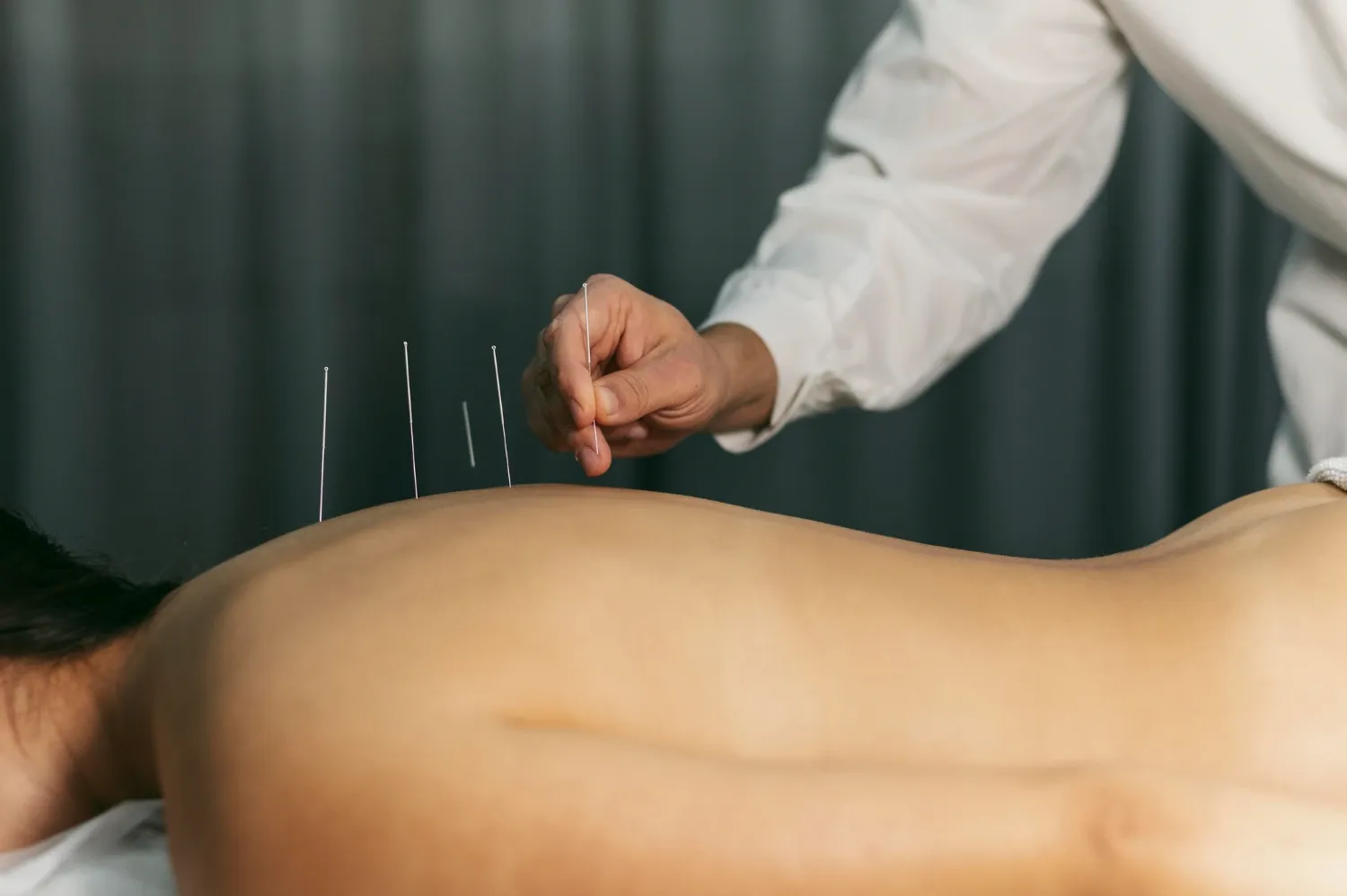
Acupuncture places very fine needles at specific points on the body. They usually stay in for a short time while you rest. Some practitioners follow traditional Chinese medicine and others an anatomy-based approach, and yours will explain which they use.
People book acupuncture for neck, shoulder and back pain, tension-type headaches, arthritis-related knee pain and longer-term pain. If you would rather avoid needles, there are other options.
Your first visit
Your practitioner asks about your symptoms, health history and medications, checks the area, then explains where the needles go and asks for your consent. Wear loose clothing that gives easy access.
Afterwards you might feel relaxed or a little tired, and small bruises occasionally appear. Your response is reviewed after the first few sessions, and other options are suggested if acupuncture is not moving you toward your goals.
Safety and who provides it
Acupuncture is a restricted activity in Alberta. At our acupuncture clinic in Calgary it is provided only by practitioners authorized to perform it, using sterile, single-use needles and strict infection-control steps.
Tell your practitioner if you are pregnant, take blood thinners, or have a bleeding disorder, a pacemaker or a weakened immune system. These can change how acupuncture is done or whether it suits you.
FAQs
Acupuncture: your questions
Does acupuncture hurt?
The needles are much thinner than those used for injections or blood tests. Most people feel a brief pinch or nothing as a needle goes in, then a dull ache, warmth or tingling. If a sensation feels too strong, say so and your practitioner will adjust or remove the needle.
Is acupuncture the same as dry needling?
They use similar fine needles but follow different approaches. Acupuncture places needles at set points drawn from traditional or anatomy-based systems. Dry needling targets tight bands and trigger points in muscle, guided by a physiotherapy assessment.
What if I feel faint around needles?
Tell your practitioner before you start, especially if you have fainted during blood tests. You can be treated lying down, starting with fewer needles, and you can ask them to stop at any time. Eating a light meal beforehand also makes a difference.
Ready when you are
Your route starts with one booking.
Book online in Jane in about a minute, or call us and we’ll help you choose the right appointment. No referral needed.